
Metaskills in the VR Health Champions ecosystem
We are developing and validating AI and VR-based soft-skills training for healthcare professionals together with clinicians, researchers and international partners.

What is VR Health Champions
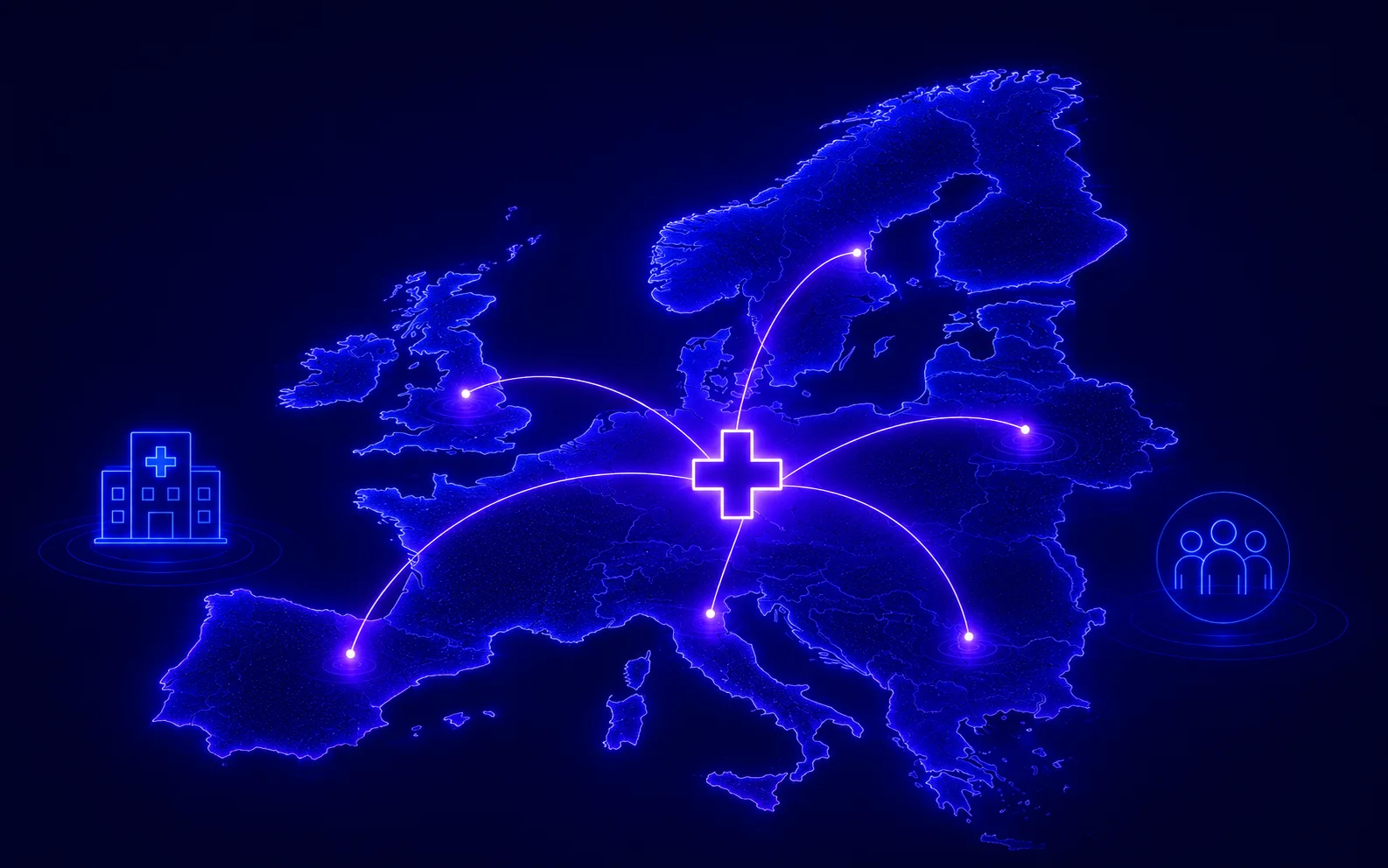
European healthcare innovation ecosystem
The project connects XR companies, clinicians and healthcare institutions across Europe, so solutions are shaped together with the people who will use them.
VR / AR healthcare solutions
The programme supports tools that move clinical situations into immersive environments, so teams can practise them before they happen with a real patient.
Clinical and market validation
Solutions are tested with clinical users and against real deployment conditions, so what works in a pilot can also be adopted in everyday practice.

International partners
Work runs with partners from different countries, which brings other care settings and communication cultures into the same training scenarios.
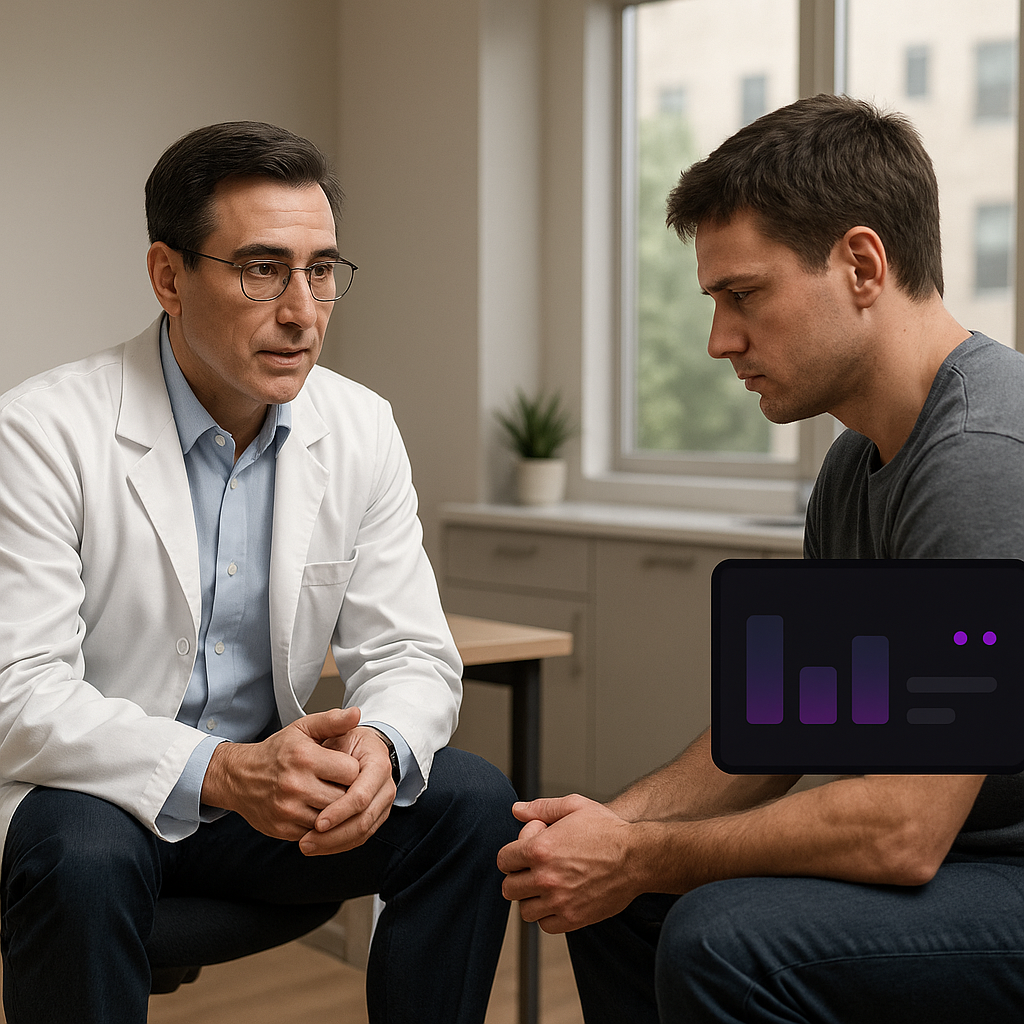
Soft skills are critical in healthcare
Communication, empathy, emotional intelligence and leadership directly influence patient interactions and teamwork. Metaskills brings immersive AI and VR training to these areas.
What we develop in the project
Healthcare communication scenarios
Realistic conversations with patients, patients’ families and the team.
3D avatars and GenAI conversations
Conversations with avatars that react to the user.
Real-time feedback
Feedback similar to working with a coach.
Digital Twin and competency mapping
Training data builds the user’s competency profile.
Validation and testing
Structured tests with healthcare professionals
Feedback from doctors and medical staff
Refinement of usability and scenario flow
Localisation and medical terminology
Larger-scale validation across languages, platforms and roles
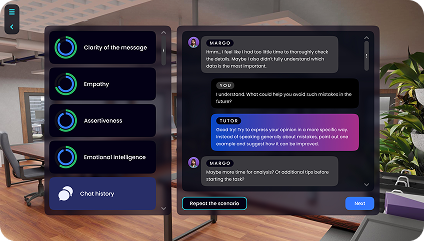
Digital Twin model for soft skills
Within the VR Health Champions Open Call, Metaskills is connected with challenges around scenario management and a structured Digital Twin model for soft skills.
Explore Digital TwinWho this collaboration matters to
Hospitals
Clinical teams practise difficult conversations — breaking bad news, conflict, handover — without involving patients, and you see where support is needed.
Medical universities
Students repeat patient conversations as often as they need, with feedback after each attempt, before they ever enter a clinical placement.
Healthcare innovation partners
Innovation teams get a soft-skills component they can add to existing digital health programmes, plus a way to check whether it holds up in practice.
XR / AI partners
Technology partners plug their engines, avatars or models into training scenarios and test them against the way clinicians actually communicate.
Training and education organisations
Training providers run immersive scenarios alongside their own workshops and use the results to show how the conversations changed between attempts.
